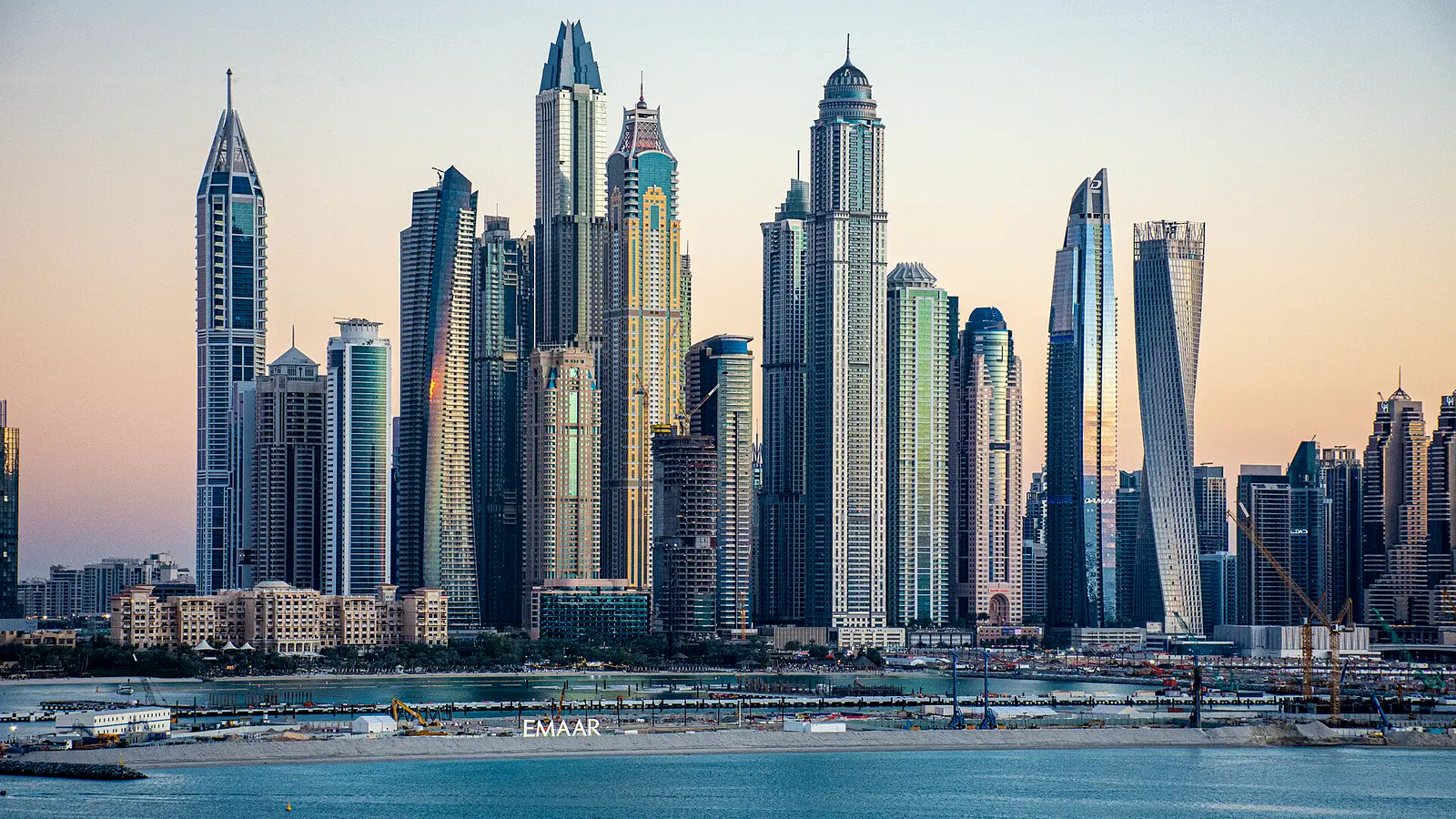

At the end of September, Dubai's official population counter stood at 4,807,185 residents. That is 226,885 more people than on 1 January: in nine months, Dubai added the population of a mid-sized European city.
The figure comes from the Dubai Data and Statistics Establishment, the emirate's statistics office, which counts habitual residents: people who live in Dubai for at least six months a year, or intend to.
Growth of a kind rarely seen
2025 closed at 4,580,300 residents, about 332,000 more than a year earlier. That is 7.5%, one of the highest growth rates ever recorded in the emirate: the record is still the 8.2% of the 1980 census, when Dubai was a different city.
In plain terms, in less than two years Dubai has added more than half a million residents. And each of them, first of all, looked for a home.
By day, the city is even bigger
There is a second figure I often explain to clients. During the day there are on average 6.39 million people in Dubai: on top of the residents, about 1.8 million arrive every morning from the other emirates, plus tourists and visitors.
This is the city that works, spends and fills the Metro and the roads. And some of today's commuters, once they find the right home, become residents. It is a reserve of demand that already comes into the city every morning.
Every new resident is a new tenant
For landlords the link is direct. Almost everyone I see moving to Dubai starts out renting: the pool of tenants grows every month, even before the pool of buyers does.
The contracts confirm it. According to DXBinteract data, in the first nine months of 2026 almost 299,000 tenancy contracts were registered in freehold areas, 6.8% more than in the same period of 2025.
Demand here is not a brochure assumption. It is counted, contract by contract.
Where it shows most
Growth is not spread evenly. It concentrates where there is work, transport and services: neighbourhoods along the Metro, new communities with schools and green space, areas with accessible entry prices, where newcomers settle.
That is also why the two pieces of infrastructure in this issue matter so much. The Metro's Blue Line and the Etihad Rail train bring connections exactly where the city is expanding.
In my Selection, one address designed for this demand is Enchanté by Grid in Arjan, near the Miracle Garden: an urban-forest concept with more than 500 trees, studios from AED 714,000 and a 60/40 plan with 40% paid over the three years after handover. It is the kind of home newcomers look for, at a price newcomers can afford.
The city is preparing for its next millions
The Dubai 2040 Urban Master Plan, presented in 2021, works towards 5.8 million residents by 2040. Today the city is at 4.8 million, with fourteen years still to go.
For buyers, the underlying question stays the same: where will the next few hundred thousand people want to live? Answering it well is half the job.
If you want to understand which areas and unit types follow this growth best, for rental income or for resale, write to me. I read every message personally and reply within 24 hours.
Antonio